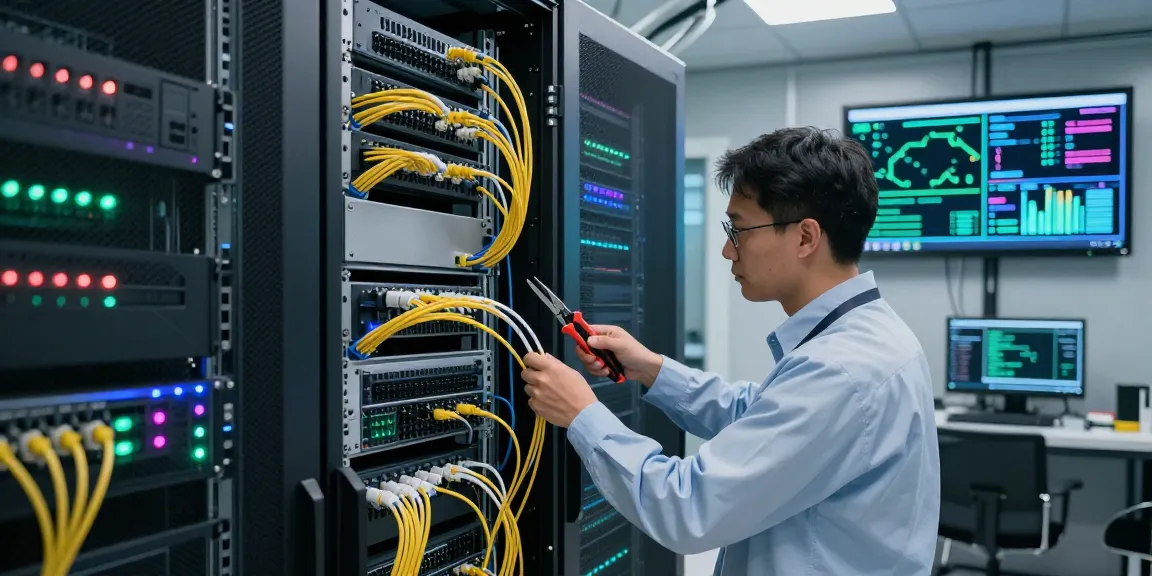
The Importance of Fiber Connectivity in Modern Networking
In an era where digital transformation is revolutionizing the way we communicate, work, and live, the role of fiber connectivity has never been more critical. Fiber optic technology offers unparalleled speed, bandwidth, and reliability, making it the backbone of modern networking. As organizations endeavor to enhance performance and efficiency, understanding the significance of fiber connectivity becomes paramount. From supporting remote work and cloud computing to enabling IoT applications and AI-driven infrastructure, fiber optics stand at the forefront of innovation. When exploring options, fiber connectivity provides comprehensive insights into building robust networks that fuel growth and resilience.
Understanding Fiber Connectivity and Its Advantages
Fiber connectivity refers to the use of fiber optic cables to transmit data as light signals over long distances at incredible speeds. Unlike traditional copper wiring, fiber optics are immune to electromagnetic interference and can handle higher bandwidth demands, which is essential for data-intensive applications. Some of the key advantages of fiber connectivity include:
- High Speed: Fiber optic connections can transmit data at speeds of up to 100 Gbps and beyond, making them ideal for cloud services and high-definition streaming.
- Increased Bandwidth: Fiber can support far more data simultaneously compared to copper, accommodating the growing demand for high-volume data transfers.
- Improved Reliability: Fiber optics are less susceptible to weather conditions and physical interference, providing a more stable connection.
- Longer Distances: Fiber cables can transmit data over several kilometers without significant signal loss, making them perfect for long-distance communication.
Common Misconceptions About Fiber Optics
Despite its advantages, fiber connectivity is often shrouded in misconceptions that can hinder adoption. Some common myths include:
- Fiber is too expensive: While initial costs may be higher than copper cable installations, the long-term benefits, including reduced maintenance and enhanced performance, often outweigh these costs.
- Only large businesses need fiber: In reality, businesses of all sizes can benefit from fiber connectivity, especially as remote work and digital transformation become standard practices.
- Fiber installation is difficult: Technological advances have simplified the installation process, and many providers can offer streamlined solutions tailored to specific needs.
Industry Standards and Certifications in Fiber Connectivity
To ensure quality and reliability, industry standards and certifications play a vital role in the adoption and implementation of fiber connectivity solutions. Organizations should look for certifications such as:
- ISO 9001: Ensures quality management systems are in place.
- TL 9000: Focuses on quality management specific to the telecommunications industry.
- RoHS Compliance: Guarantees that products are free from hazardous substances.
- ISO 14001: Enforces effective environmental management systems.
Key Trends Impacting Fiber Connectivity in 2026
As technology continues to evolve, several trends are reshaping the landscape of fiber connectivity. Organizations must keep an eye on these trends to remain competitive and successful.
Emerging Technologies in Fiber Network Infrastructure
Fiber connectivity is at the heart of emerging technologies such as 5G networks, artificial intelligence, and the Internet of Things (IoT). The incorporation of Co-Packaged Optics, silicon photonics, and advanced fiber assemblies allows for higher capacity and reduced latency while meeting the demands of modern applications.
The Rise of AI and Its Influence on Fiber Connectivity
The integration of artificial intelligence into network management offers transformative opportunities for fiber connectivity. AI-driven analytics can optimize bandwidth allocation, predict network failures, and enable faster troubleshooting, thus enhancing overall network performance and reliability.
Future-Proofing Your Fiber Network: Best Practices
To ensure your fiber network remains relevant and efficient, organizations should adopt strategies for future-proofing. Consider the following best practices:
- Invest in Scalable Solutions: Choose a network design that can easily adapt to future technology and bandwidth requirements.
- Regularly Upgrade Infrastructure: Maintain up-to-date equipment and software to support advanced features and improved capabilities.
- Partner with Reliable Providers: Engage with providers that offer proven expertise and robust support services in fiber connectivity.
Implementing Fiber Connectivity Solutions in Your Organization
The transition to fiber connectivity can be a complex endeavor, but with the right approach, it can yield significant benefits for your organization.
Assessing Your Current Infrastructure for Fiber Readiness
Before implementation, conduct a thorough assessment of your existing network infrastructure to determine its compatibility with fiber technology. Check your current bandwidth usage, identify bottlenecks, and evaluate the physical environment where fiber installations will take place.
Step-by-Step Guide to Upgrading Your Fiber Network
Upgrading to a fiber network requires a systematic approach:
- Plan and Design: Collaborate with stakeholders to outline objectives, budget, and design specifications.
- Choose the Right Partner: Select a fiber connectivity provider known for high-quality solutions and strong customer support.
- Conduct Installation: Follow industry best practices for installation to ensure optimal performance and compliance with standards.
- Monitor Performance: Implement monitoring tools to keep track of network performance and address potential issues proactively.
Measuring Success: Metrics for Fiber Connectivity Implementation
Success in implementing fiber connectivity can be gauged through various metrics, including:
- Latency: Measure the time it takes for data to travel between points in the network.
- Bandwidth Utilization: Monitor how effectively the available bandwidth is being utilized.
- Downtime: Track instances of network downtime and their impact on operations.
Challenges in Fiber Connectivity and How to Overcome Them
While the advantages of fiber connectivity are significant, organizations may face various challenges during deployment.
Common Obstacles in Fiber Network Deployment
Deployment challenges can include physical installation issues, not meeting regulatory compliances, and budget constraints. Identifying these obstacles early allows for proactive planning and risk mitigation.
Strategies to Mitigate Risks in Fiber Projects
To effectively manage risks during fiber connectivity projects, organizations can implement strategies such as:
- Conducting Pilot Tests: Trial runs on a smaller scale can help identify issues before full-scale implementation.
- Developing Contingency Plans: Prepare for potential delays or budget overruns with clearly defined fallback plans.
- Continuous Training: Invest in training for staff on fiber technologies and project management principles.
Real-World Case Studies: Success Stories in Fiber Connectivity
Analyzing success stories from industry leaders can provide valuable insights. For instance, many telecommunications companies have successfully shifted to fiber optics, achieving substantial improvements in network performance and customer satisfaction. These case studies often highlight the importance of strategic partnerships and leveraging advanced technologies.
Looking Ahead: The Future of Fiber Connectivity
The landscape of fiber connectivity will continue to evolve, driven by technological advancements and changing user demands.
Predictions for Fiber Connectivity Beyond 2026
Experts predict that by 2026, we will see an expansion in the use of multi-core and ultra-dense fiber cables, which will significantly increase data capacity. Additionally, advancements in AI and machine learning algorithms will further enhance network management, leading to more self-healing and adaptive networks.
Integrating Sustainability into Fiber Network Designs
As organizations strive for sustainability, integrating eco-friendly practices into fiber network designs will become crucial. This could involve choosing materials with lower ecological footprints, optimizing energy consumption, and recycling old infrastructure.
Expert Insights: What Industry Leaders Are Saying
Industry leaders emphasize the need for adaptive strategies in fiber connectivity. They recommend staying abreast of technological trends and regulatory changes while investing in research and development to maintain a competitive edge.
What are the key benefits of fiber connectivity?
Fiber connectivity offers high speed, greater bandwidth, improved reliability, and longer transmission distances, making it ideal for high-demand applications.
How can businesses prepare for future advancements in fiber technology?
Businesses should invest in scalable solutions, stay informed about emerging technologies, and partner with reputable providers for ongoing support.
What common mistakes should organizations avoid when implementing fiber solutions?
Common mistakes include underestimating costs, neglecting to assess existing infrastructure, and failing to engage qualified partners for installation and ongoing support.
How can fiber connectivity impact data center operations?
Fiber connectivity can optimize data center performance by providing faster data transfers, reducing latency, and enabling more efficient resource management.
What certifications should businesses look for in a fiber connectivity provider?
It's essential to choose providers with certifications like ISO 9001, TL 9000, and RoHS compliance to ensure quality and reliability in their products and services.