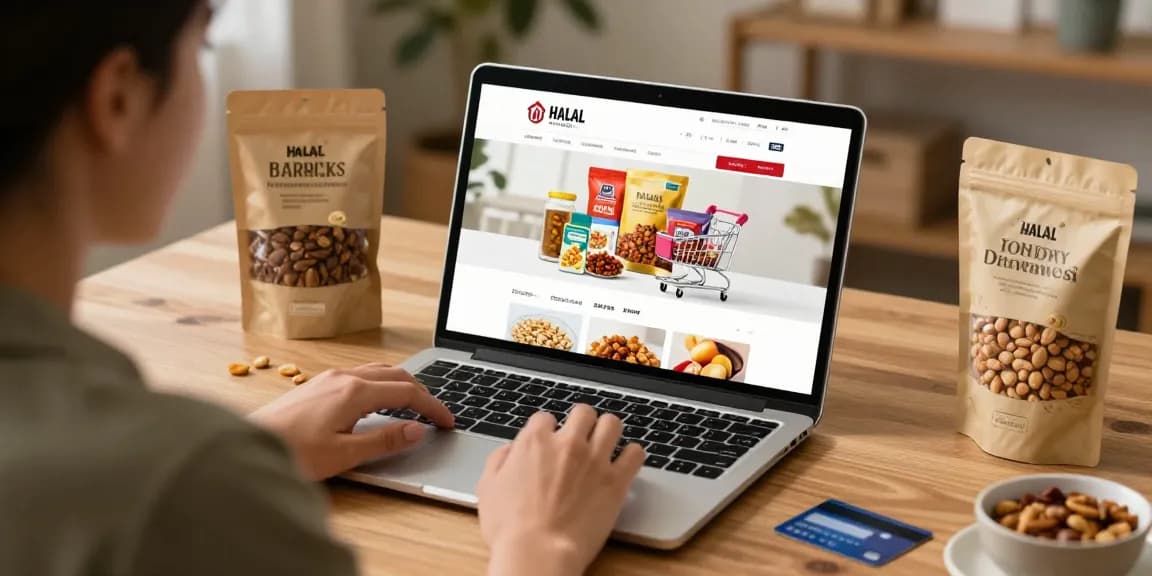
Understanding Halal Snacks: What Sets Them Apart?
Halal snacks are distinguished by their adherence to Islamic dietary laws, which dictate not only what types of food can be consumed but also how those foods must be prepared and processed. As the demand for halal products continues to rise globally, understanding these unique offerings becomes essential for both consumers and retailers alike. For those curious about a diverse selection of halal food options, Halal Snacks provides comprehensive insights into products ranging from savory chips to sweet treats.
1. Key Ingredients in Halal Snacks
At the core of halal snacks is the careful selection of ingredients that comply with halal standards. This means that snacks must be free from any pork or alcohol derivatives, and all meat must be sourced from animals that have been slaughtered in accordance with Islamic law. Common ingredients in halal snacks include:
- Chickpeas: A rich source of protein, often used in snacks like roasted chickpeas.
- Nuts: Almonds, pistachios, and cashews are frequently used for their health benefits and flavor.
- Natural flavors: Seasoning blends made without non-halal additives.
- Vegetable oils: Such as olive or canola oil, providing healthier fat options.
This careful attention to ingredient sourcing not only adheres to religious guidelines but also promotes overall health and wellness.
2. Health Benefits of Choosing Halal
The health benefits of halal snacks are not just restricted to their compliance with dietary laws. Many halal products emphasize natural and wholesome ingredients, steering clear of additives and preservatives that can be harmful over time. Here's how choosing halal can be beneficial:
- Improved digestive health due to the absence of certain additives.
- Higher nutritional value as many halal snacks prioritize whole food ingredients.
- Greater ethical standards in animal welfare during sourcing and production.
3. Popular Flavors and Varieties Available
The variety of halal snacks is extensive, appealing to a wide range of preferences and palates. Popular options include:
- Spicy snacks: Such as chili-flavored chips for those who enjoy a kick.
- Savory dips: Hummus and baba ghanoush pair well with pita chips.
- Sweet treats: Dates stuffed with nuts or coated in chocolate.
With such a breadth of flavors to choose from, there's a halal snack to suit every taste!
Top Halal Snacks on the Market: A Detailed Comparison
As the popularity of halal snacks increases, various brands and products flood the market. Analyzing them can help shoppers make informed choices. This section reviews some of the best-selling options for 2026.
1. Best-Selling Halal Snacks of 2026
Some of the top contenders in the halal snack category this year include:
- Alkaramah Frozen Dough: Perfect for homemade pastries.
- Healthy & Pure Honey: A great natural sweetener.
- Gourmet Spices: Elevates any meal or snack.
These products not only meet halal standards but also cater to growing health-conscious consumer trends.
2. Premium vs. Budget-Friendly Options
When selecting halal snacks, buyers often face the dilemma of premium versus budget options. Premium snacks tend to focus on high-quality ingredients and artisanal production methods, while budget-friendly options are accessible and cater to more price-sensitive consumers. Here’s a quick comparison:
FactorPremium SnacksBudget-Friendly SnacksIngredient QualityHigh-quality, often organicGood, may include fillersTasteRich and distinctStandard flavorsPriceHigher price pointMore affordable
Understanding these distinctions can help consumers choose snacks that best fit their budget and taste preferences.
3. How to Interpret Product Labels Effectively
Interpreting product labels is crucial, especially for those who prioritize halal compliance. Look for:
- Halal Certifications: Ensure the product has a reliable halal certification mark.
- Ingredient Lists: Read through to verify all components are halal.
- Nutritional Information: Check calories and nutritional content, especially for snacks.
These aspects are essential for guaranteeing that what you are consuming aligns with halal standards.
Guide to Purchasing Halal Snacks Online: Tips for Shoppers
Shopping online for halal snacks can be a streamlined process when approached correctly. Here are several tips for a successful shopping experience.
1. Finding Reliable E-Commerce Platforms
Choose platforms known for their selection of halal products, like specialized halal grocery stores or larger e-commerce sites with a dedicated halal section. These sites typically offer products that adhere to halal standards rigorously.
2. Navigating Reviews and User Feedback
User reviews are invaluable when selecting products. Look for:
- Overall star ratings.
- Specific mentions of texture, taste, and freshness.
- Questions and answers sections for more in-depth insights.
Online communities focusing on halal diets can also provide recommendations and insights based on personal experience.
3. Seasonal Sales to Watch For
Watch for seasonal sales on major holidays or during promotional events. Many retailers offer discounts on popular halal products around Eid or during festive seasons, making it an excellent time to stock up.
Shipping and Delivery for Halal Snacks: What to Expect
Understanding shipping and delivery protocols is crucial for ensuring that halal snacks arrive fresh and within the expected time frame.
1. Understanding Delivery Options and Timelines
Many online stores provide various shipping options, including standard and expedited delivery. It’s important to select the option that best fits your needs. Familiarize yourself with typical delivery timelines to set expectations appropriately.
2. Return Policies for Food Products
Return policies can vary significantly among retailers. Most halal snacks are categorized as perishable goods, which may not be returnable once opened. Always check the policy before completing your purchase.
3. Ensuring Quality and Freshness upon Arrival
To maintain quality and freshness, opt for retailers that utilize insulated packaging and express shipping methods. Upon arrival, inspect your items immediately to ensure they meet your standards.
Building Trust in E-Commerce: Buyer Protection Strategies
As e-commerce continues to grow, ensuring buyer protection is paramount for consumer confidence. Here are strategies to consider when shopping online.
1. Payment Security and Fraud Prevention
Shoppers should always look for secure payment options, such as credit cards or PayPal, which offer buyer protection programs. Avoid sites that only allow direct bank transfers or unsecured payment methods.
2. Loyalty Programs and Customer Retention
Many retailers offer loyalty programs that reward repeat purchases with discounts or early access to sales. Engaging in these programs can enhance your shopping experience and provide cost savings over time.
3. How to Leverage Social Proof When Shopping
Social proof in the form of reviews, testimonials, and endorsements can enhance your buying confidence. Look for products with numerous positive reviews and a strong community presence, as these often indicate quality and reliability.